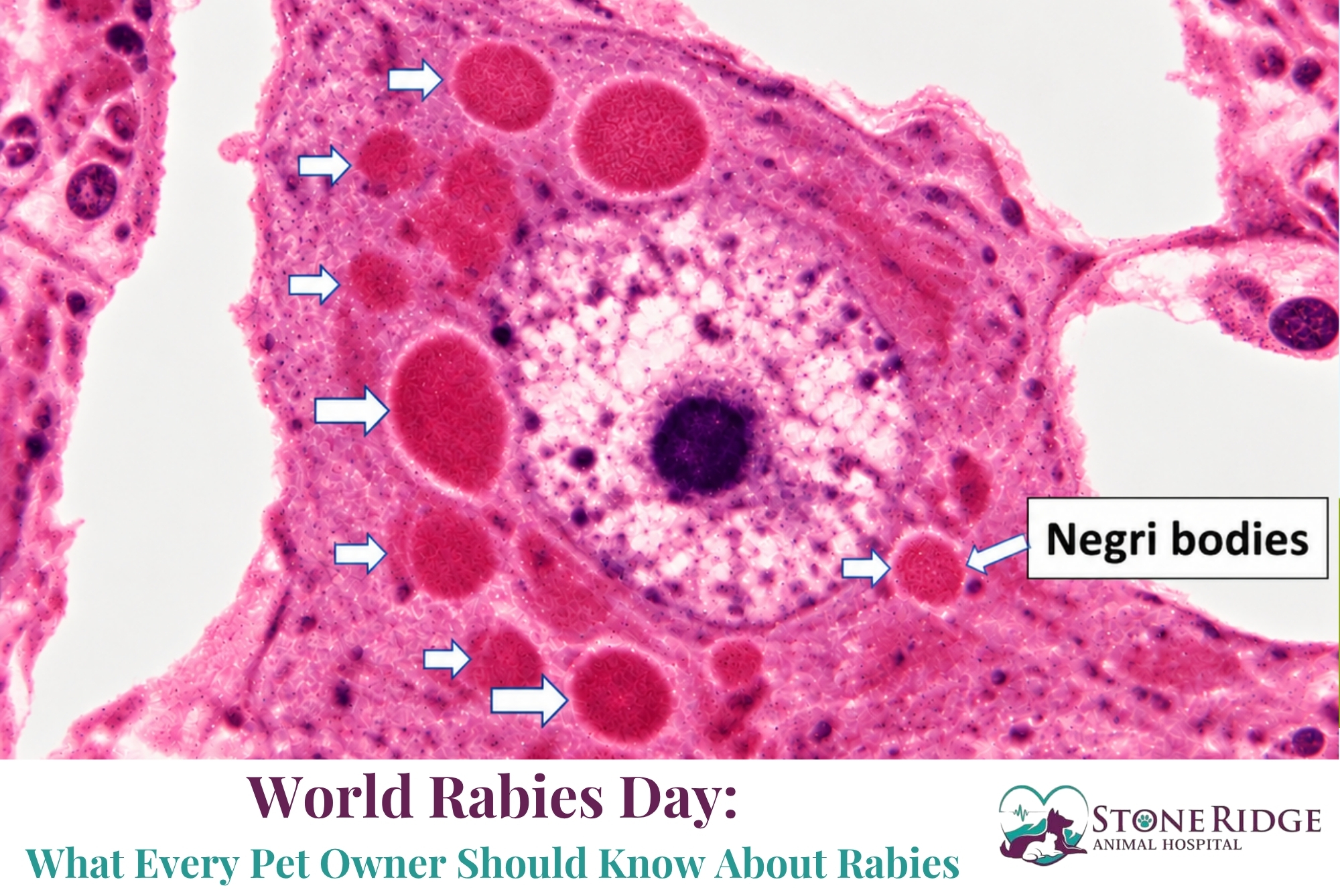
Rabies is a viral disease that attacks the brain and nervous system. It is almost always fatal once symptoms begin, but it is preventable!
How people and animals get rabies
Rabies is usually spread through the saliva of an infected animal, most commonly by:
- A bite
- A scratch that breaks the skin and is contaminated with saliva
- Saliva getting into the eyes, nose, mouth, or an open wound (less common)
Animals that commonly carry rabies vary by region, but can include:
- Dogs (the main source of human rabies deaths worldwide)
- Cats
- Bats
- Raccoons
- Foxes
- Skunks
- Cows
Symptoms
After exposure, symptoms may not appear for weeks to months.
Early symptoms include:
- Fever
- Headache
- Tiredness
- Tingling, pain, or itching where the bite occurred
As the disease progresses, symptoms can include:
- Anxiety or confusion
- Difficulty swallowing
- Fear of water (hydrophobia)
- Excessive saliva
- Muscle spasms
- Paralysis
- Coma
Once these symptoms appear, survival is extremely rare.
What to do after a possible exposure for a human
If you’re bitten or scratched by an animal that might have rabies:
- Wash the wound immediately with soap and running water for at least 15 minutes.
- Seek medical care as soon as possible, even if the wound seems minor.
- A healthcare provider may recommend post-exposure prophylaxis (PEP), which usually includes:
- Rabies vaccine
- Rabies immune globulin (for people who haven’t been vaccinated before), depending on the type of exposure
PEP is highly effective if given before symptoms start.
CDC Recommends Animals exposed to rabies should:
- Receive immediate booster vaccination
- Stay under owner supervision
- Be monitored for signs of rabies for up to 45 days
Can rabies be prevented?
Yes. Prevention includes:
- Vaccinating pets
- Avoiding contact with wild animals
- Vaccinating people at high risk (such as veterinarians or wildlife workers)
- Getting prompt medical care after any potential exposure whether it be with a hospital for a human exposure or a veterinary clinic for an animal who may have encountered rabies contact.
World Rabies Day is Today September 28, and we wanted to take a moment to again talk about a disease that is serious, preventable, and still very much a concern for pets and people.
Rabies is a viral disease that affects mammals, including our dogs, cats, wildlife, and people. Once clinical signs appear, rabies is almost always fatal. The good news? Rabies is preventable, and vaccination is one of the best ways to protect your pet and your family. 🐾
🌎 Why does World Rabies Day matter?
Rabies remains a major global health concern. The World Health Organization estimates that approximately 59,000 people die from rabies each year, with children making up a significant portion of those deaths.
While rabies is much better controlled in the United States than in many other parts of the world, it has not disappeared at all and many human cases unfortunately exist.
In fact, more than 90% of reported rabies cases in U.S. animals occur in wildlife. Animals such as bats, raccoons, skunks, and foxes can carry rabies.
That means even our pets can potentially encounter rabies through an unexpected interaction with wildlife.
🐾 “But my pet doesn’t go outside much!”
We hear this often!
Even pets with limited outdoor exposure can potentially encounter wildlife. A bat can get into your home, or an unexpected wildlife encounter can happen in your yard or neighborhood.
That’s why keeping your dog’s or cat’s rabies vaccine up to date is so important, regardless of their lifestyle.
💉 Your pet’s vaccine protects more than your pet
Keeping your pet vaccinated helps protect:
🐶 Your pet
❤️ Your family
🏡 Your home
🌎 Your community
Vaccination helps create an important barrier between rabies in wildlife and the people and pets we love.
🚨 What should you do after a possible exposure?
If your pet is bitten by or has contact with a wild animal, don’t wait for symptoms to appear. Contact your veterinarian as soon as possible so we can help determine the appropriate next steps.
If a person is bitten or scratched by an animal that could have rabies, wash the wound thoroughly with soap and water and seek medical advice promptly.
❤️ A simple reminder for World Rabies Day
Take a minute to check your pet’s rabies vaccine record.
Not sure when your pet’s vaccine is due? Can’t find the paperwork? No problem! Give our team a call—we’re happy to help you check your pet’s records and make sure they are protected.
Rabies doesn’t have to be inevitable. By vaccinating our pets, keeping them away from wildlife, educating our families, and knowing what to do after an exposure, we can all play a part in preventing rabies.
Your pet’s rabies vaccine isn’t just another item on the veterinary checklist.
It’s protection for your pet.
It’s protection for your family.
It’s protection for your community. 🐾
Vaccinate. Educate. Protect.
Happy World Rabies Day from your veterinary team! 🐶🐱❤️